Pediatric ophthalmology
Gentle diagnosis and treatment of eye diseases in children from birth to 18 years: myopia, amblyopia, strabismus.
About the service
A child's vision develops in the first years of life. Many disorders, such as amblyopia (“lazy eye”) or strabismus, are easiest to correct at an early age. That is why regular check-ups with a pediatric ophthalmologist are so important.
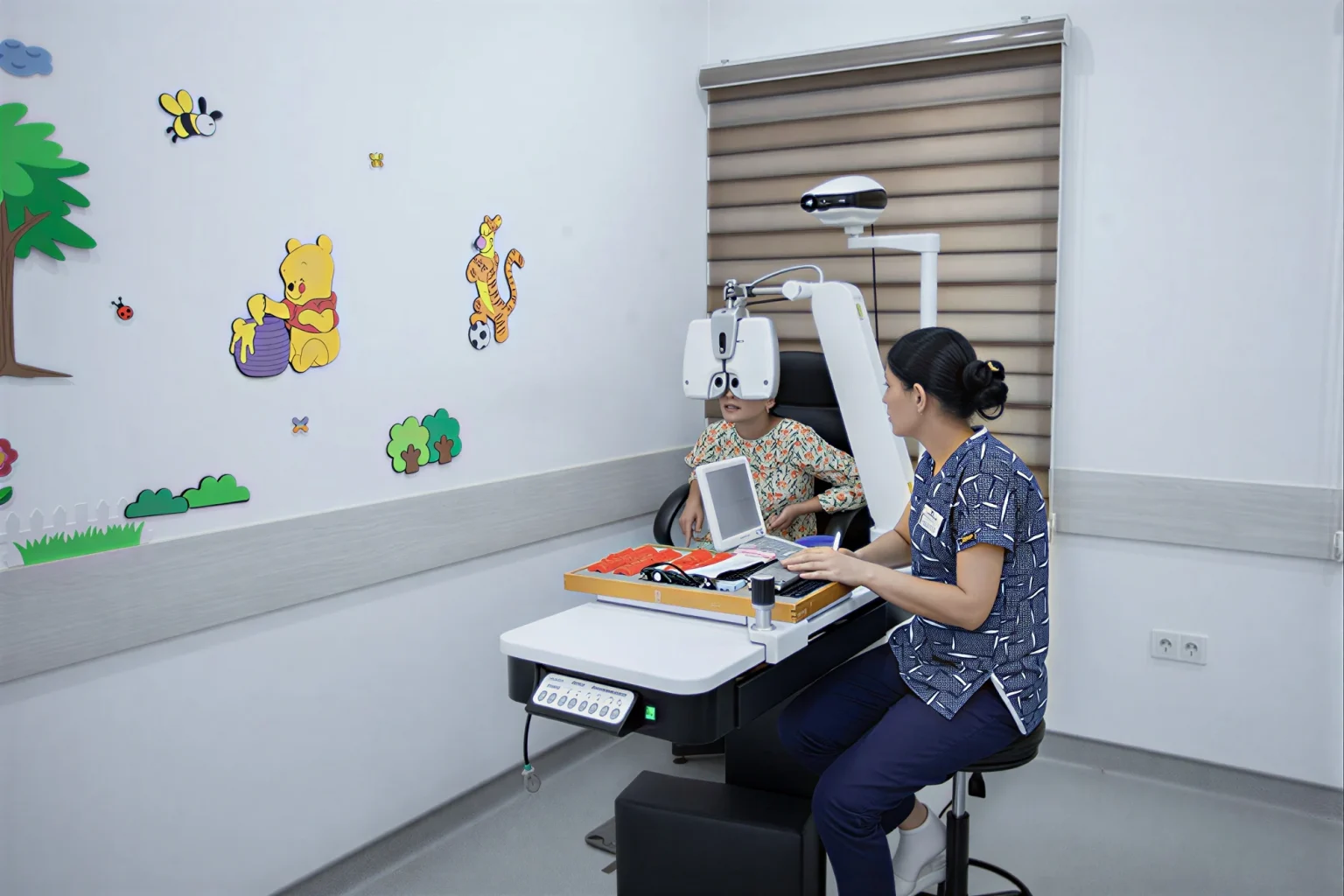
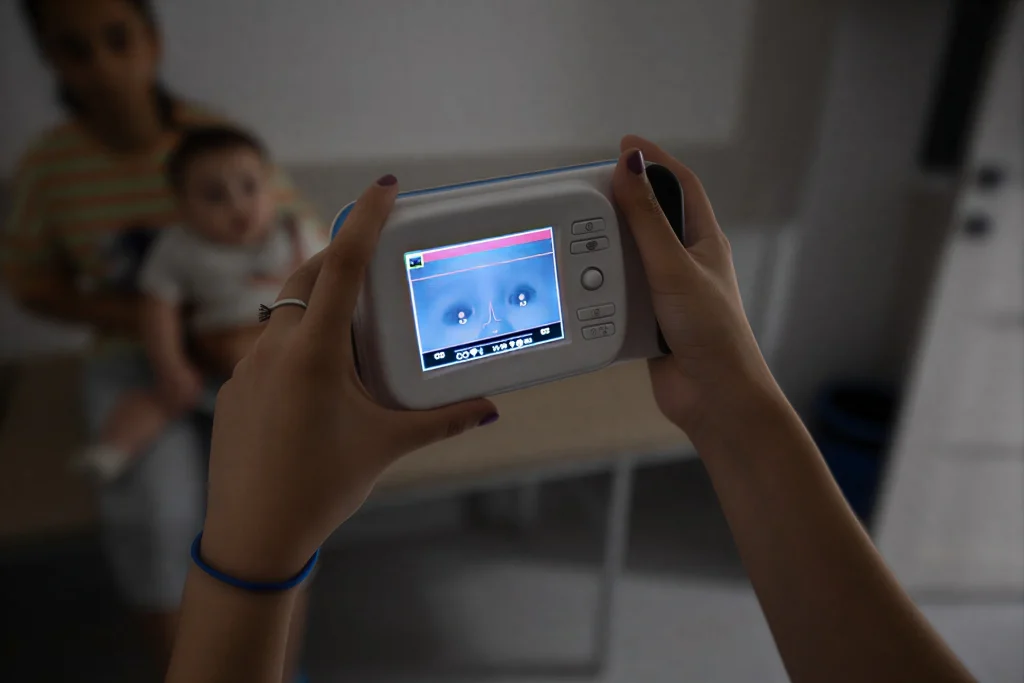
At SAIF OPTIMA KIDS, pediatric ophthalmologists perform complete eye examinations, treat myopia, amblyopia, and strabismus, prescribe glasses and fit orthokeratology lenses, perform tear duct probing and surgical treatment of strabismus. Examinations are done in a playful way on special pediatric equipment, so that the child feels calm and engaged.
Service prices
-
Pediatric initial check-up (1–3 years old)300 000 UZS AO00001Pediatric initial check-up (1–3 years old)300 000 UZS AO00001
-
Pediatric initial examination (from 4 years old)300 000 UZS AO00002Pediatric initial examination (from 4 years old)300 000 UZS AO00002
-
Strabismus correction (classic method, pediatric)8 000 000 UZS AO00003Strabismus correction (classic method, pediatric)8 000 000 UZS AO00003
-
Probing of the lacrimal ducts (1 eye)450 000 UZS AO00004Probing of the lacrimal ducts (1 eye)450 000 UZS AO00004
-
Orthokeratology lens fitting (2 eyes)6 700 000 UZS AO00005Orthokeratology lens fitting (2 eyes)6 700 000 UZS AO00005
Process
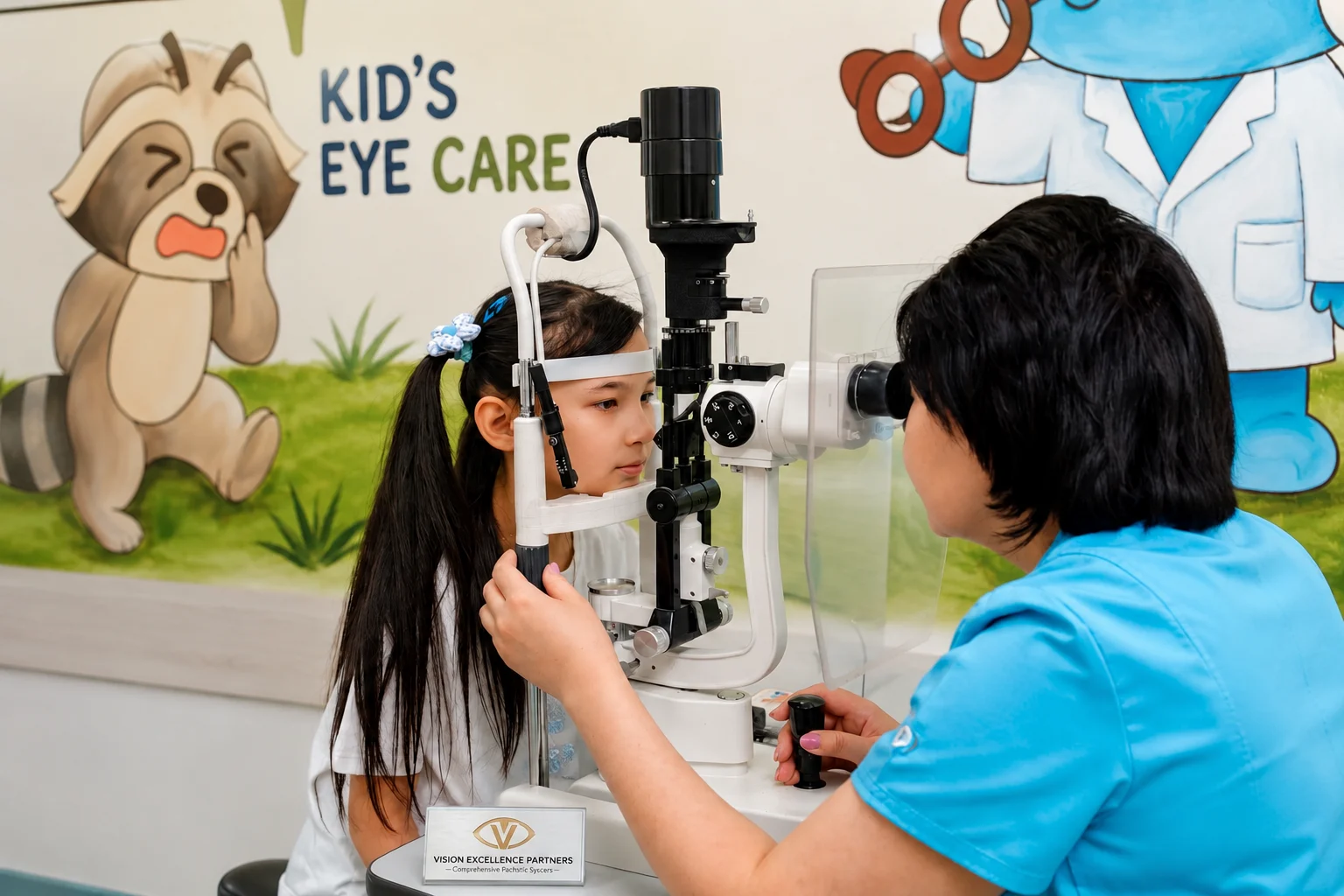
How we work with children:
- Initial examination: check-ups for little ones from the age of 1, a full examination from the age of 4.
- Individual plan: monitoring and treatment tailored to the child's age and visual characteristics.
- Myopia control: orthokeratology lenses and instrument-based techniques help slow its progression.
- Regular monitoring: the doctor tracks progress and adjusts treatment if necessary.

Schedule an appointment
Leave a request for a consultation, and SAIF Medical Group specialists will contact you to arrange a convenient time for your visit and answer all your questions.
FAQ
The first check-up is done in the first months of life, then at about 1 year, before kindergarten, and before school. If there are any complaints or you suspect strabismus, come in right away.
Warning signs include squinting, sitting too close to a screen or book, frequent blinking, complaints of eye strain or headaches, and one eye turning to the side.
It cannot always be stopped completely, but it can be slowed down. This is done with orthokeratology (overnight) lenses, instrument-based techniques, and healthy visual habits.
Tell your child that the doctor will check their eyes using pictures and games. Bring their glasses if they wear them, as well as the results of previous examinations.
Orthokeratology lenses are fitted for children based on their age, the degree of myopia, and the condition of the cornea. The doctor makes the decision after an examination.