

Keratoconus treatment
Strengthening and restoring the cornea in keratoconus: corneal cross-linking and femtosecond laser implantation of intrastromal rings.
About the service
Keratoconus is a progressive disease in which the cornea thins and takes on a conical shape. Vision gradually becomes distorted, and glasses no longer provide clarity. The earlier treatment begins, the better the chances of preserving good vision.
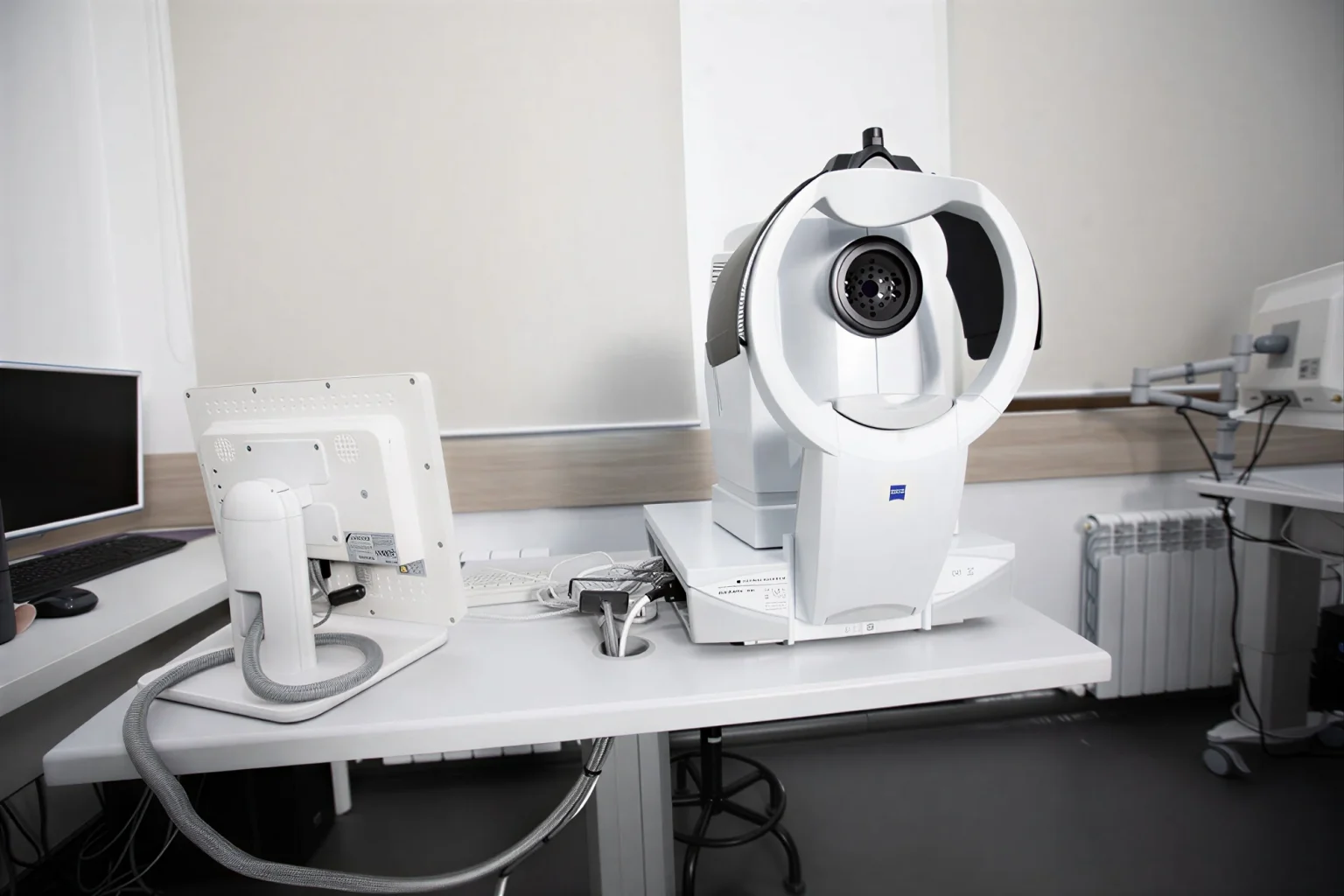
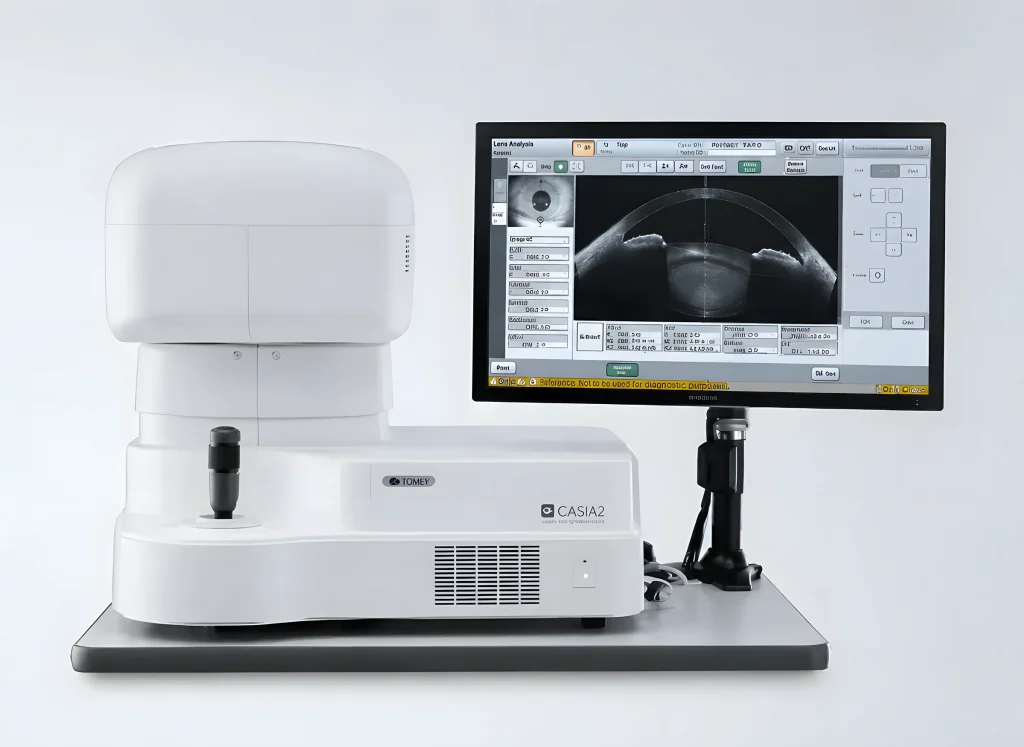
For early diagnosis, SAIF OPTIMA uses corneal topography and anterior segment analysis on the CASIA 2. Corneal cross-linking — standard or by the Haf method for thin corneas — strengthens the cornea and halts progression. Implantation of intrastromal rings with a femtosecond laser evens out the shape of the cornea and improves vision.
Service prices
-
Cross-linking (Stage I–II), standard method7 500 000 UZS A16.26.070Cross-linking (Stage I–II), standard method7 500 000 UZS A16.26.070
-
Cross-linking (Stage III–IV), Hafe method9 000 000 UZS A16.26.071Cross-linking (Stage III–IV), Hafe method9 000 000 UZS A16.26.071
-
Implantation of intracorneal rings using a femtosecond laser16 500 000 UZS A16.26.072Implantation of intracorneal rings using a femtosecond laser16 500 000 UZS A16.26.072
-
FEMTO LRI (1 eye)9 000 000 UZS A22.26.020FEMTO LRI (1 eye)9 000 000 UZS A22.26.020
-
Athens protocol — transepithelial PRK and corneal cross-linking in a single procedure (1 eye)9 950 000 UZS A22.26.021Athens protocol — transepithelial PRK and corneal cross-linking in a single procedure (1 eye)9 950 000 UZS A22.26.021
Process
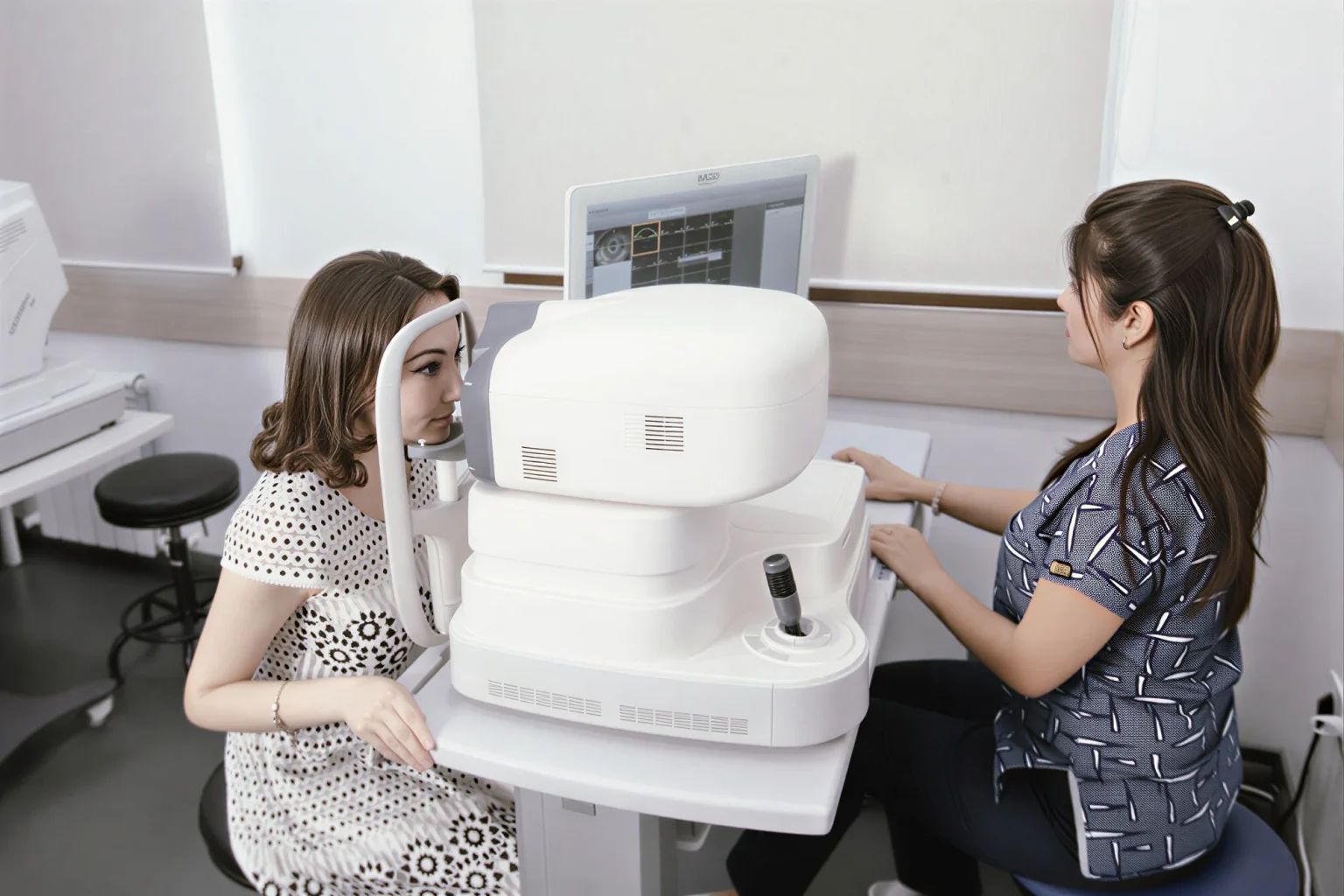
Keratoconus treatment includes:
- Diagnostics: topography and corneal thickness assessment to determine the stage of the disease.
- Treatment: corneal cross-linking, intrastromal ring implantation, or a combination of both.
- Vision correction: glasses, contact lenses, or scleral lenses for the sharpest possible vision.
- Follow-up: regular check-ups to monitor the condition of the cornea.
Schedule an appointment
Leave a request for a consultation, and SAIF Medical Group specialists will contact you to arrange a convenient time for your visit and answer all your questions.
FAQ
Typical signs include deteriorating vision that is hard to correct with glasses, double and distorted images, and frequent changes of glasses. The diagnosis can only be reliably confirmed with corneal topography.
The procedure strengthens the bonds between corneal fibers and halts the progression of keratoconus. Its goal is to preserve vision and prevent further thinning of the cornea.
The rings are implanted to even out the shape of the cornea and reduce distortion. They are often combined with corneal cross-linking. The doctor determines the indications based on the examination results.
Yes. Rigid and scleral lenses often provide sharper vision than glasses. They are fitted by SAIF OPTICS specialists.
Yes. For international and out-of-town patients, a medical tourism program is available, including transfer, accommodation at the IRIS hotel, and full support at all stages of treatment.